


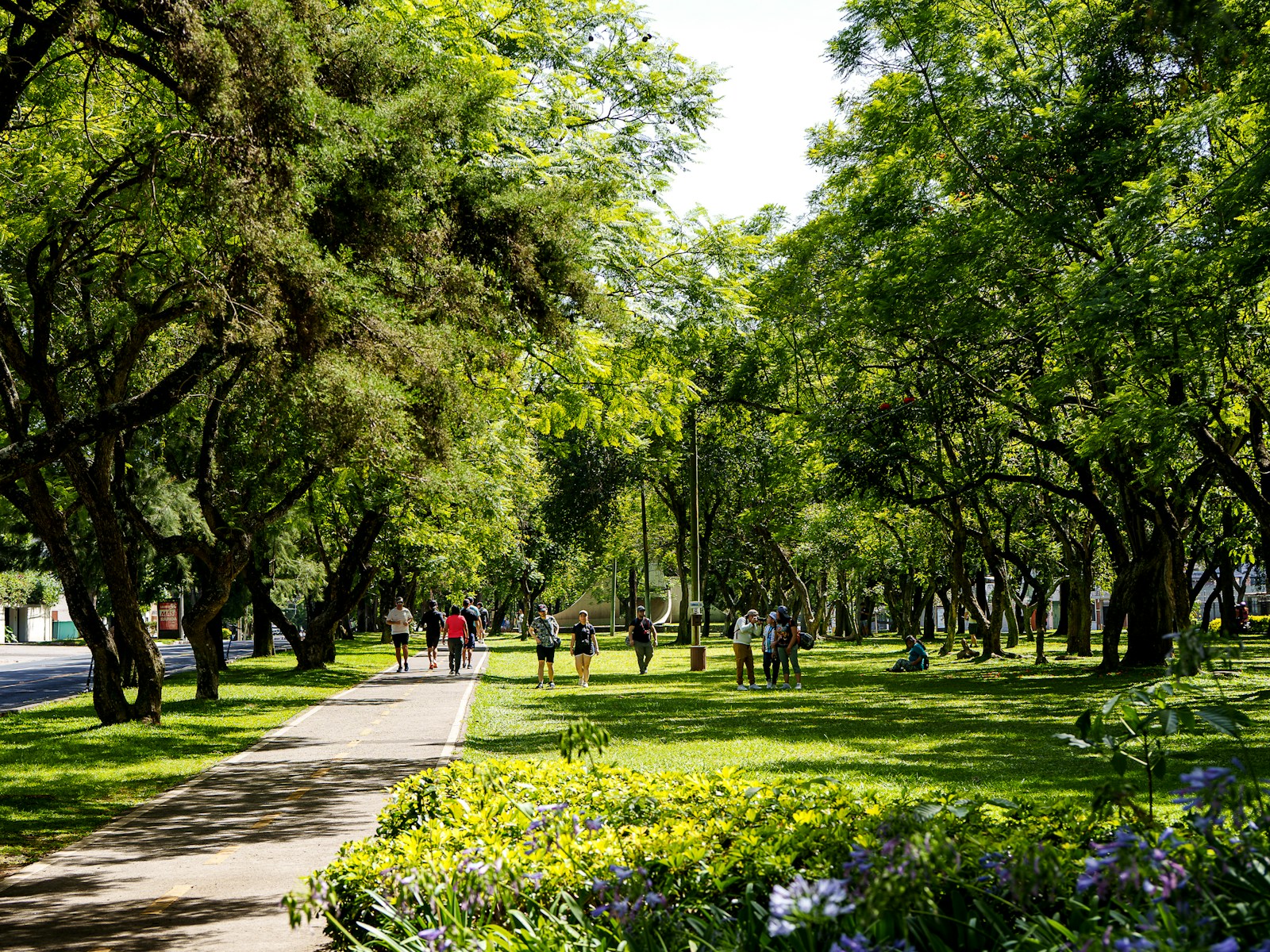
Bengaluru | October 10: Across city botanical gardens, tree-lined lakes, and municipal parks, a growing counter-culture of urban professionals is setting aside high-intensity fitness trackers and blaring headphone podcasts in favor of deliberate, screen-free “mindful walking.” Inspired by the Japanese practice of Shinrin-yoku (forest bathing), this wellness movement prioritizes sensory engagement and gentle movement to alleviate chronic burnout and digital overstimulation.
Countering Digital Exhaustion Through Sensory Immersion Modern professionals spend an average of ten hours daily looking at electronic screens, keeping their central nervous systems in a state of continuous low-grade cognitive tension. Unlike competitive jogging or power walking that emphasizes speed, distance targets, and calories burned, mindful walking encourages participants to slow down, regulate their breathing, and observe natural sounds, changing leaf colors, and ambient soil scents.
Clinical psychologists point out that immersing oneself in unhurried outdoor environments significantly lowers resting heart rates, reduces circulating stress hormones like cortisol, and restores depleted attentional focus. Community wellness groups are organizing weekend morning silence walks, where attendees walk together through urban parks without using smartphones, smartwatches, or speaking.
Integrating Green Spaces into Daily Urban Routines Participants report that dedicating just thirty minutes to screen-free walking before starting remote workdays helps relieve morning anxiety, improves concentration, and fosters sustained mental clarity. Urban planners and horticultural departments have noted the trend, responding by creating designated quiet walking trails and sensory herb zones within public recreational areas.
As discussions around sustainable daily habits and mindful living become central to modern work culture, gentle nature connection is becoming an accessible wellness priority. City residents are finding that simple moments outdoors often provide the most effective mental relief.
Source: Urban Wellbeing & Environmental Psychology Institute