


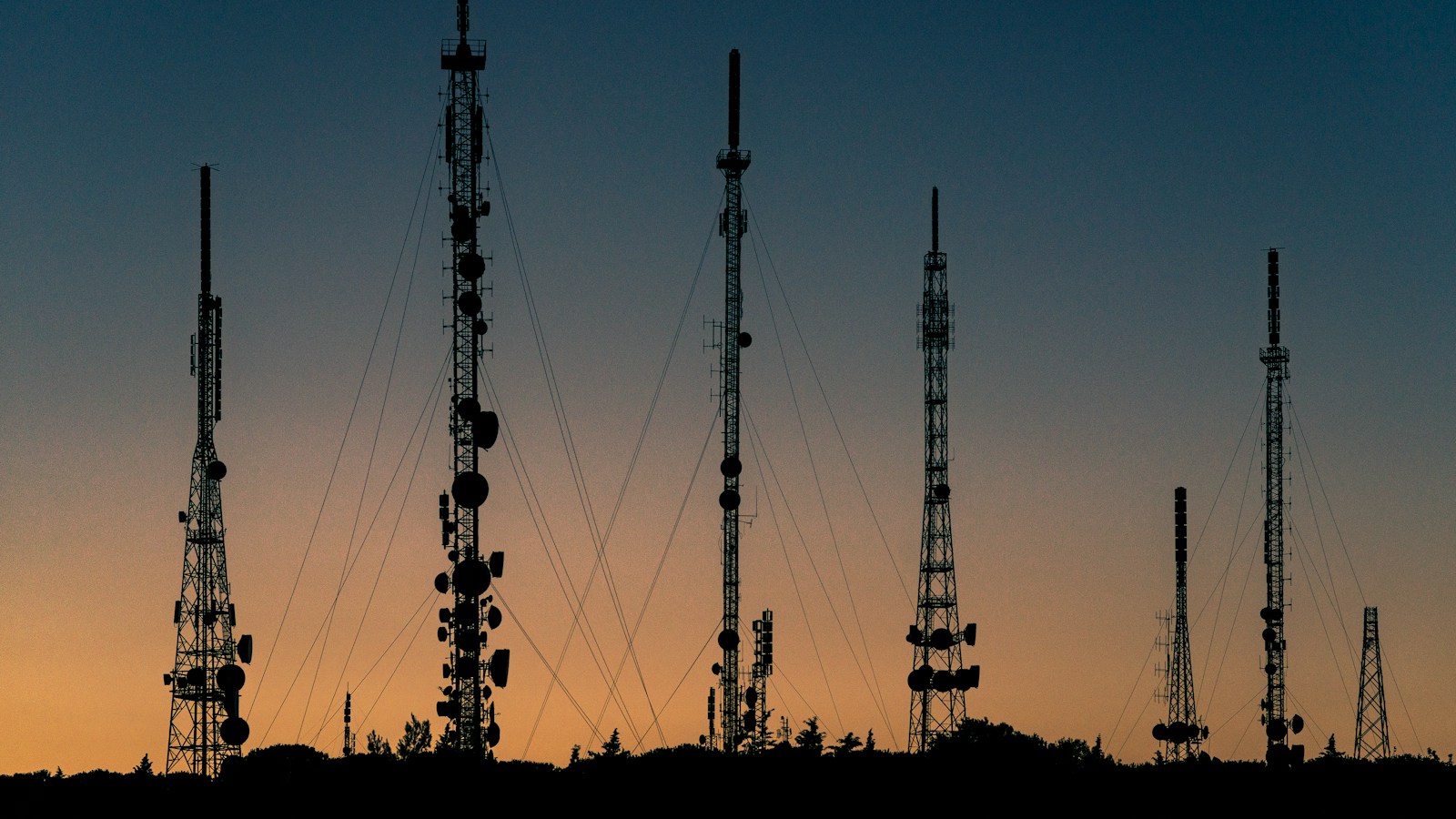
Bengaluru | October 10: Telecommunication network operators and domestic equipment manufacturers have accelerated commercial deployments of Open Radio Access Network (Open-RAN) hardware across rural and semi-urban districts. By replacing expensive proprietary cellular base stations with flexible software-driven radio architectures built on commercial off-the-shelf processors, network providers are lowering the capital expenditures required to expand broadband access into remote villages.
Lowering Deployment Costs and Fostering Indigenous Hardware Traditional cellular telecom rollouts have long relied on closed, proprietary equipment from multinational infrastructure conglomerates, making low-density rural towers commercially unviable due to high equipment maintenance costs. Open-RAN technology unbundles hardware and software, allowing network engineers to mix and match baseband units, radio heads, and network controllers from multiple domestic hardware providers.
This modular design lowers tower deployment costs by more than 35% while enabling automated remote software updates over cloud interfaces. Operators can quickly deploy lightweight micro-cell antennas on village public buildings, agricultural processing yards, and local school rooftops without building heavy concrete cellular masts.
Empowering Rural Digital Services and Local Economies The rapid expansion of high-speed 5G broadband into rural belts is having an immediate economic impact, enabling telemedicine consultations at village healthcare centers, facilitating real-time drone-based crop monitoring, and powering local primary school digital classrooms. The Department of Telecommunications (DoT) has supported the initiative through regional spectrum allocations and localized testing certifications.
Industry associations project that open-architecture cellular equipment will account for more than 40% of all rural base station rollouts over the coming two years. Field engineering teams are scheduling deployment phases across agricultural districts through the winter season.
Source: Telecommunications Standards Development Society (TSDSI)