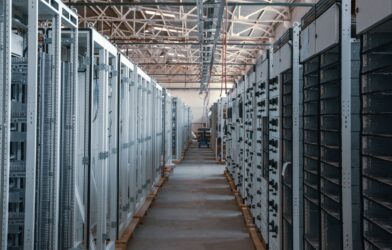


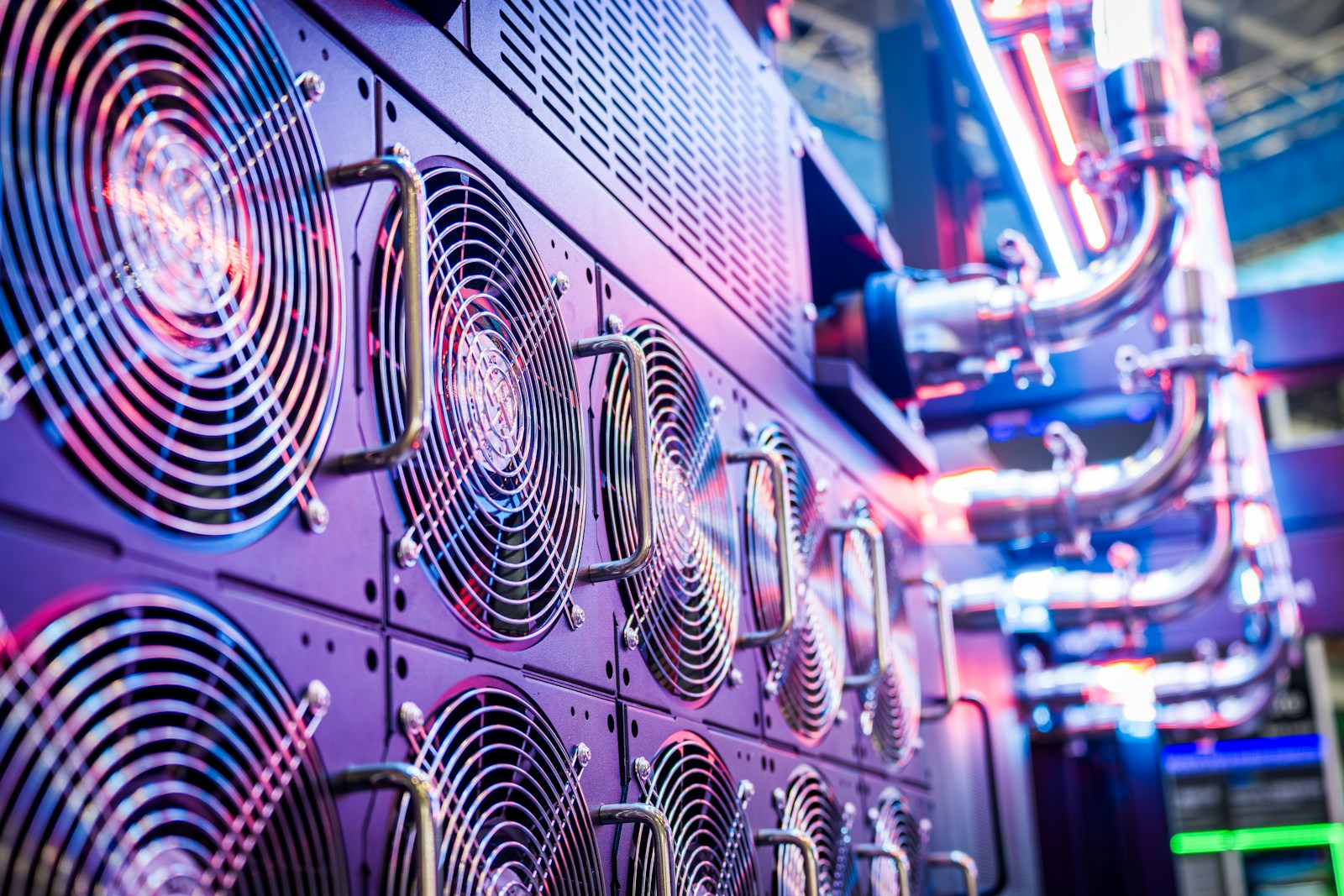
Nashik | October 10: The global technology ecosystem has entered an unprecedented arms race to deploy generative artificial intelligence across enterprise and public workflows. However, while computational breakthroughs dominate industry conferences and corporate earnings reports, the underlying physical demands of modern algorithmic architecture are placing unsustainable strain on local power grids and regional watersheds. Behind every seamless query and automated synthesis lies a sprawling network of energy-intensive data centers operating continuously to maintain model parameters.
The Mounting Environmental Cost of Frontier Compute Modern high-performance compute clusters require vast reserves of electricity and specialized liquid cooling systems. A single enterprise data center campus can consume as much baseline power as a mid-sized metropolitan district. As tech conglomerates rush to expand regional server footprints near urban hubs, municipal electrical utilities are forced to divert capacity away from public electrification projects and commercial small enterprises. In regions already vulnerable to seasonal peak-load shedding, prioritizing unconstrained compute growth over citizen access creates stark social inequities.
Furthermore, water cooling systems for high-density server racks draw millions of liters from regional freshwater tables annually. In secondary urban corridors where agrarian irrigation and residential drinking supplies face recurring summer pressures, industrial data center expansions exacerbate local ecological fragility. The narrative that digital software is weightless and environmentally neutral is no longer tenable in the face of ground reality.
Establishing Strict Regulatory Audits and Green Mandates True technological progress cannot be measured solely by model inference speeds or corporate market capitalizations. State regulatory authorities and urban planners must mandate that new data center construction be coupled directly with dedicated, off-grid renewable energy installations. Hyperscale operators should be legally obligated to implement closed-loop dry cooling technologies, eliminating freshwater evaporation and protecting shared underground aquifers from industrial depletion.
Municipal administrations must also demand transparency regarding algorithmic water and carbon footprints. As public governance frameworks evolve, civic leaders have an ethical duty to prioritize sustainable, climate-resilient community infrastructure over speculative computational growth.
Source: Cosmo News Editorial Board