

Chennai | October 10: In a significant transition within India’s freight transportation sector, major commercial logistics operators and heavy industrial corporations have begun deploying large fleets of battery-electric heavy trucks along high-density cargo corridors. Driven by rising diesel expenditures, stringent corporate carbon-emission mandates, and improvements in megawatt-scale direct charging hardware, fleet companies are expanding beyond light commercial electric delivery vans to test multi-axle electric transport vehicles.
Economic Parity Driving Fleet Overhauls Fleet management firms report that while the initial capital acquisition expense for an electric heavy commercial vehicle remains nearly double that of a conventional diesel equivalent, the operational running cost per kilometer is plummeting by nearly 65%. On dedicated high-volume routes—such as raw material transport between industrial factories, regional ports, and warehouse distribution clusters—the rapid operational recovery offsets vehicle financing costs within three years of deployment.
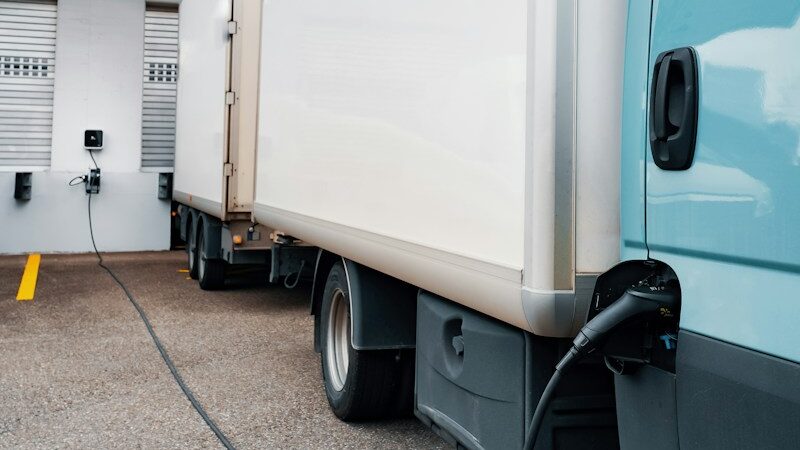
To address range constraints for heavy 40-ton and 55-ton haulers, automotive original equipment manufacturers (OEMs) are partnering with energy infrastructure firms to build high-capacity charging corridors. These specialized commercial stations utilize liquid-cooled megawatt charging systems capable of replenishing commercial battery packs from 20% to 80% during statutory driver rest breaks, making long-haul routes practical without schedule delays.
Expanding Indigenous Manufacturing and Battery Tech Domestic commercial vehicle manufacturers have scaled up dedicated assembly lines for modular battery packs and localized heavy-duty electric axles, reducing reliance on imported components. State transport agencies and national highway authorities are actively supporting the transition by offering toll concessions, expedited green permits, and priority lane clearances for certified zero-tailpipe-emission freight haulers.
Industry associations project that electric commercial vehicles will account for more than 15% of all new heavy transport sales along access-controlled freight corridors within the next three years. Automotive dealerships across regional industrial transport hubs report growing order backlogs for commercial fleet deliveries.
Source: Society of Indian Automobile Manufacturers (SIAM)