


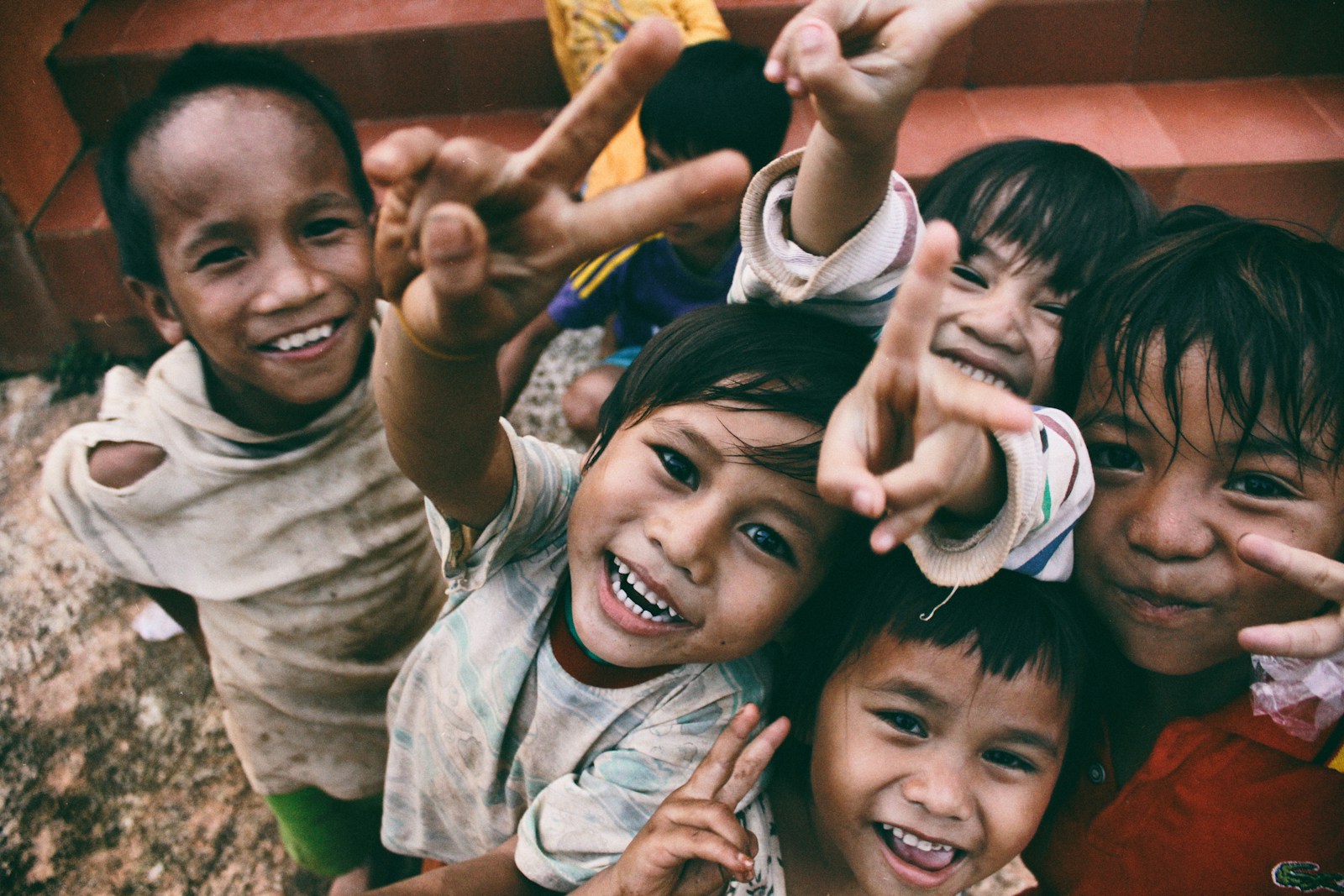
The UN-backed World Summit on Investing in Children’s Wellbeing opened on Wednesday in Samarkand, Uzbekistan, bringing together more than 600 participants from over 100 countries to protect youth in a world affected by war and climate challenges. Representatives from the international community, including ministers, academics, experts, civil society, business figures, and adolescents, gathered to ensure that youngsters everywhere can thrive despite fundamental hurdles.
Global Challenges and UN Priorities
UN Secretary-General António Guterres warned in a message read by UN Resident Coordinator Sabine Mahl that progress on youth welfare faces threats from conflicts, economic pressures, health emergencies, poverty, and climate shocks. Khalilur Rahman, President of the UN General Assembly, noted that only 36 per cent of Sustainable Development Goal targets are on track. He outlined four priorities: prioritizing children, building social protection around their needs, reaching those furthest behind, and matching political promises with proper financing and deadlines. Uzbekistan’s First Lady Ziroat Mirziyoyeva highlighted expert warnings that child mortality under five could rise in 2025 amid declining humanitarian assistance.
Local Initiatives and Cancer Care
Uzbekistan has prioritized youth welfare, raising preschool enrolment from 27 per cent in 2017 to 78 per cent in 2026, while over 10,000 children with disabilities attend mainstream schools. The Samarkand gathering also incorporates the Second International Congress on Childhood Cancer, focusing on paediatric oncology and haematology. The World Health Organization noted that while over 80 per cent of young cancer patients are cured in high-income nations, the rate falls below 30 per cent in many low and middle-income regions. Tashkent hosts the state-sponsored Mehrli Maktab institution, allowing patients aged two to 18 to continue their education during prolonged medical care.
Source: Cosmo News Desk