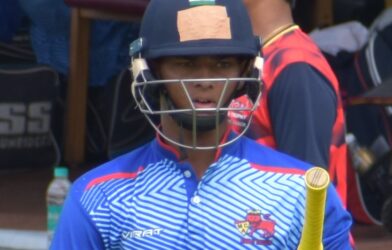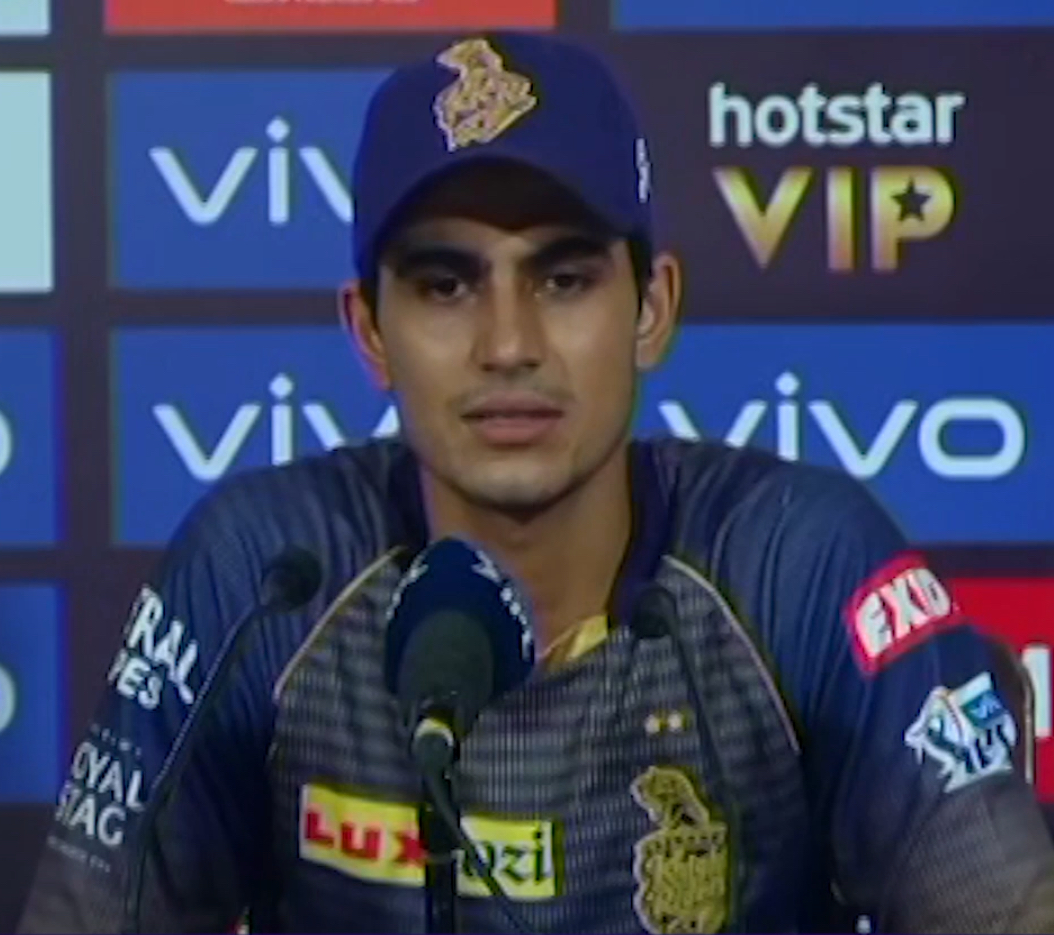
India captain Shubman Gill has called for the saliva ban to be reversed following the conclusion of the first Test against New Zealand, which ended in a draw in Wellington.
Wellington Test Draw and Pitch Conditions
India declared their first innings on the fourth day with a lead of 352 runs, giving their bowlers around 135 overs to bowl New Zealand out again. However, the bowling attack managed to pick up just five wickets on a pitch that offered next to nothing for the bowlers. Gill noted that the surface lacked pace, with edges failing to carry and even balls staying low not being quick enough to trouble the batsmen. Fast bowlers on both sides had bowled nearly 50 overs in the match, and with no headway made, the teams shook hands with Daryl Mitchell and Glenn Phillips when the last hour started after trying all planned strategies.
Ball Quality and Saliva Ban Concerns
Addressing the challenges faced by bowlers, Gill criticized the quality of balls used in the match, stating that the Kookaburra ball in New Zealand became very soft after 25 to 30 overs. He drew comparisons to England last year, where Dukes balls also softened quickly during the first three to four matches. Gill argued that soft balls combined with a pitch offering no help make wicket-taking exceedingly difficult, limiting bowling options mostly to lbws and bowleds. Furthermore, he questioned why teams are still not permitted to shine the ball with saliva, pointing out that years have passed since Covid times and calling the continued restriction a major factor affecting the game.
Source: ESPNcricinfo
Photo: CRICKETNEXT / Wikimedia Commons, CC BY 3.0 (photo page)