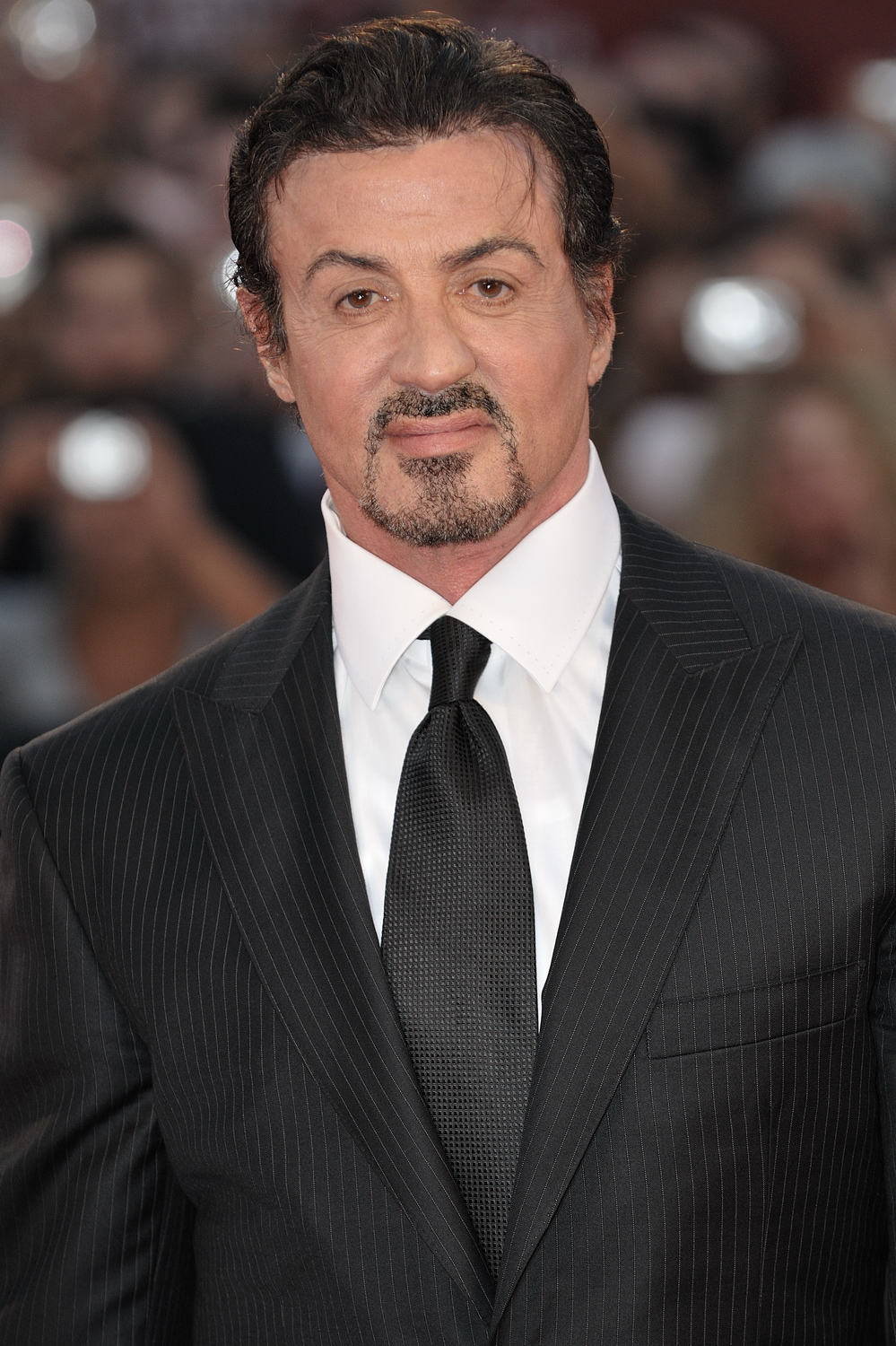
Sylvester Stallone faced an uphill battle getting his screenplay made into a feature film, famously refusing substantial monetary offers because producers wanted an established star instead of him in the lead role. Before writing the sports drama released in November 1976, he was a struggling actor approaching 30 who even had to sell his dog Butkus for $40 because money was tight. Inspired by watching a heavyweight championship bout between Muhammad Ali and Chuck Wepner in March 1975, Stallone wrote the screenplay about a small-time Philadelphia boxer named Rocky Balboa who gets an unexpected opportunity to fight reigning heavyweight champion Apollo Creed. Producers Irwin Winkler and Robert Chartoff wanted established names like Burt Reynolds, Ryan O’Neal, or James Caan for the part, offering Stallone amounts ranging from $275,000 to $360,000 for the script alone. However, Stallone held his ground, refusing to hand over the character and ultimately securing the lead role on a tight budget of $1 million.
Production Challenges and Shoestring Budget
United Artists was wary of committing substantial funds, so director John G. Avildsen completed the shoot in approximately 28 days with limited resources. Financial constraints forced creative solutions, such as reworking an expensive crowded ice-skating rink scene into an almost empty rink that highlighted the awkward affection between Rocky and Adrian. The iconic training montage featuring the character charging up the steps of the Philadelphia Museum of Art was filmed using a small crew and a Steadicam operated by Garrett Brown without formal permissions. Ordinary residents strolling through the streets became part of the authentic backdrop, including an unexpected moment where someone tossed an orange towards Stallone during his run. Meanwhile, Carl Weathers helped choreograph the final boxing match to ensure the contest between Rocky and Apollo felt like a genuine championship fight, while Bill Conti composed the memorable score featuring the anthem “Gonna Fly Now” with lyricists Carol Connors and Ayn Robbins.
Global Success and Oscar Recognition
When Rocky opened in November 1976, it exceeded expectations by earning more than $225 million worldwide and transforming Stallone into a major Hollywood star. The production’s recognition extended to the 49th Academy Awards, where it received 10 nominations and won three Oscars, including Best Picture, Best Director for Avildsen, and Best Film Editing. Stallone himself earned nominations for both Best Actor and Best Original Screenplay, underscoring his deep association with the project. Fifty years later, that real-life struggle is returning to the screen through I Play Rocky, a film directed by Peter Farrelly and starring Anthony Ippolito as a young Stallone who refused to surrender the opportunity to play his creation.
Source: Filmfare
Photo: nicolas genin from Paris, France / Wikimedia Commons, CC BY-SA 2.0 (photo page)