


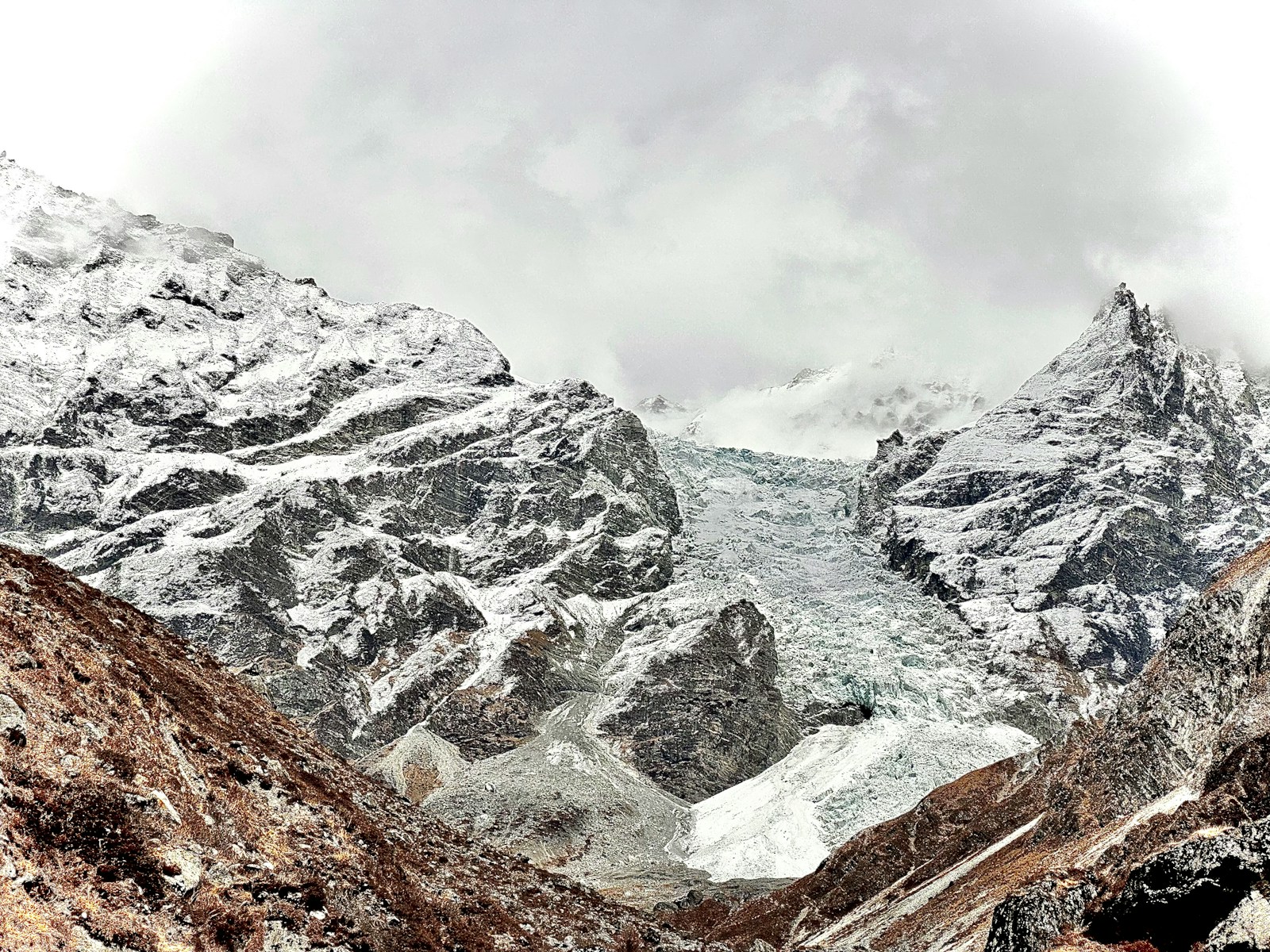
Nepal glacier flood represents a defining moment for the country and the global community after a catastrophic glacier collapse struck on 26 August. Jorge Moreira da Silva, the head of the UN Project Services agency (UNOPS), briefed journalists in New York via videolink following a visit to Nepal with UNOPS teams. He described the incident as one of the deadliest and most destructive climate disasters ever recorded, noting that survivors reported a wall of water more than 100 metres high moving at 180 kilometres per hour and devastating 60 kilometres of the valley instantly. More than 1,500 people lost their lives, 5,600 remain missing, and approximately 100,000 individuals have been affected, including over 30,000 children.
Destruction and Recovery Costs
The disaster destroyed over 100 bridges, 13 hydropower dams, and 23 schools, leaving roughly 2.2 million tonnes of debris and sediment covering former homes, roads, and rivers. Journeys that previously took minutes on foot now require up to 12 hours due to collapsed infrastructure. Total recovery needs are projected at $4.8 billion, which equals 10 per cent of Nepal’s gross domestic product. A $50 million flash appeal has gathered only $24.5 million so far, prompting calls for stronger commitments as Nepal prepares a pledging conference. Moreira da Silva highlighted the situation as climate injustice, noting that Nepal contributes only 0.08 per cent of global greenhouse gas emissions yet faces disproportionate impacts.
Ongoing Response and Future Risks
Further compounding the crisis, new flash floods in the central Gorkha district swept away additional homes and bridges on Sunday, prompting rapid assistance from the United Nations. UNICEF reported that communities continue to struggle to rebuild six weeks after the northern catastrophe, facing persistent risks of future Himalayan disasters driven by global warming. Long-term recovery plans developed with UN and multilateral bank support will require investments in early warning systems and climate-resilient infrastructure. Additionally, officials urged developed nations to fulfil their climate finance pledges of $1.3 trillion annually by 2035 for developing countries and to reduce emissions to keep the 1.5°C global warming target within reach.
Source: Cosmo News Desk